
Project's Mission
The Cardinal Objective
EXCALIBUR is set to create a holistic framework offering innovative tools and methods for enhanced study, conservation, and knowledge of cultural heritage (CH) objects focusing on burial excavations, remains, and findings through digital twins (DTs).
This framework delivers usable, open-source, and cost-affordable toolkits through an interoperable, human-based platform, ensuring alignment with ECCCH infrastructure and validation by CH experts based on real user needs.
Addressing the Need

EXCALIBUR’s mission is to transform how cultural heritage is studied, preserved, and shared by harnessing the power of Artificial Intelligence, Digital Twins, and immersive technologies.
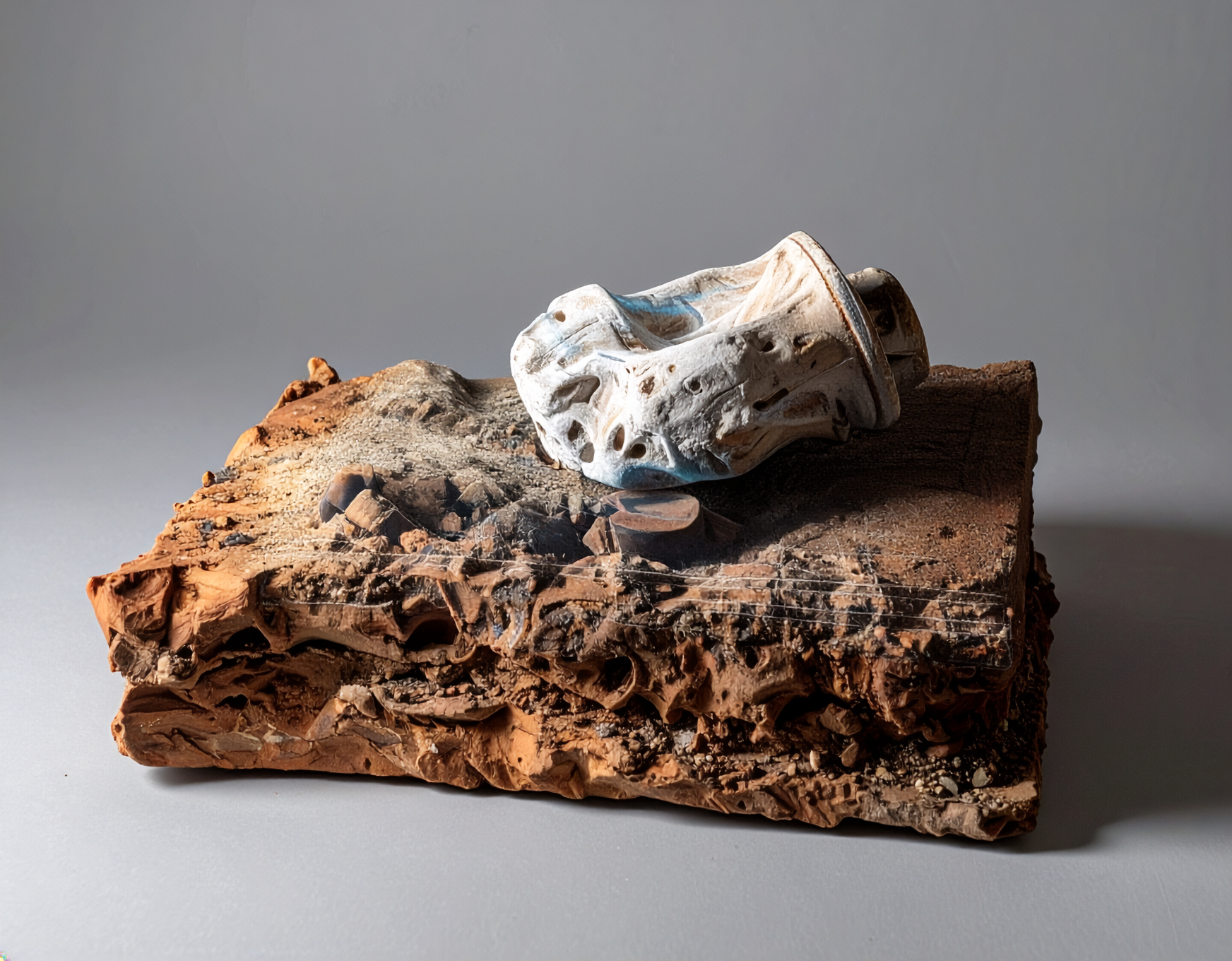
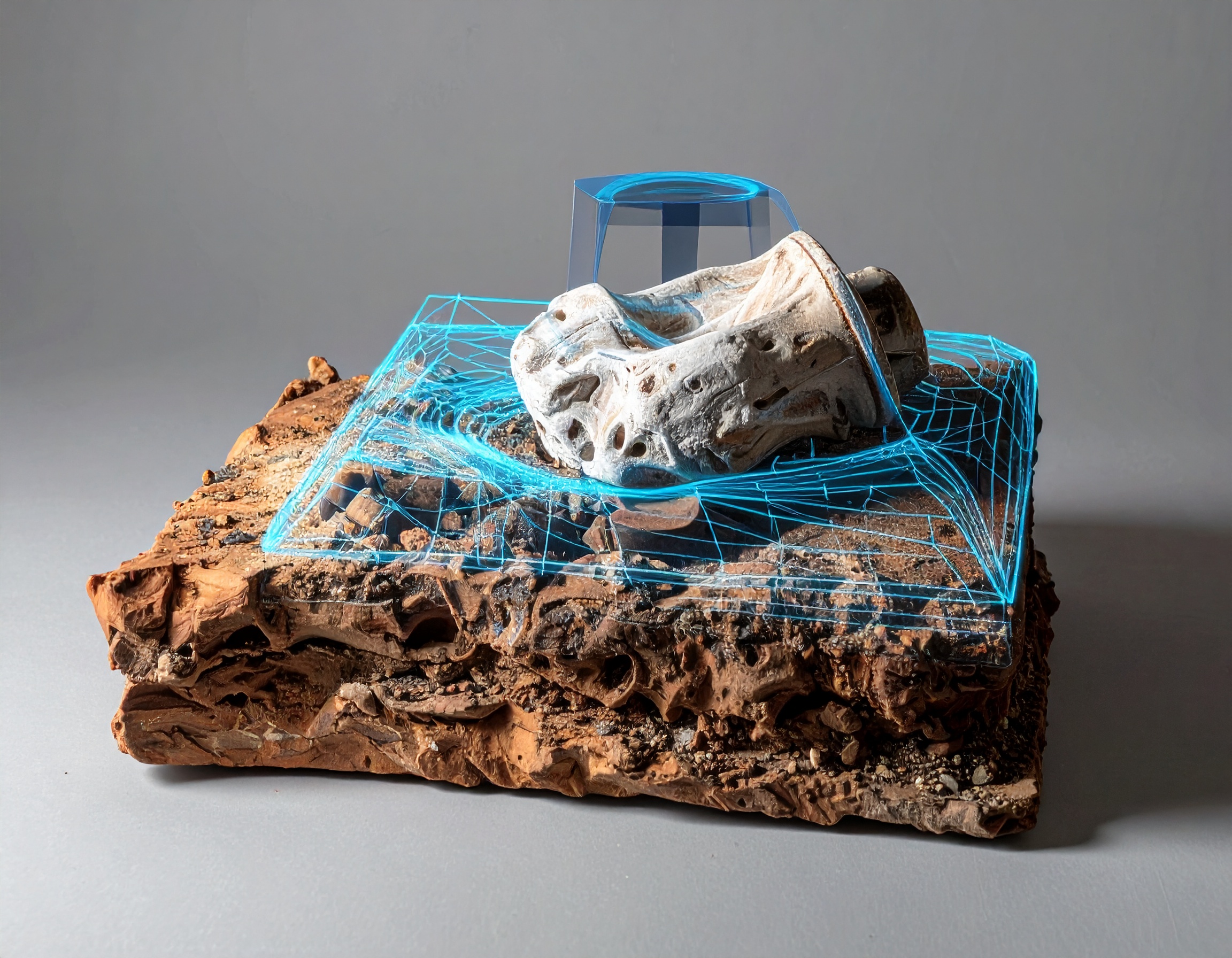
We aim to make the invisible visible, revealing the stories hidden within burial sites, human remains, artefacts, and ancient rituals, through open, accessible, and user-centred digital tools.
Despite advances in fields like stable isotope and ancient DNA analysis, the potential of bioarchaeological findings remains underutilised in both scientific and public domains. There is an urgent need to enhance interdisciplinary skills for the holistic study and better understanding of cultural heritage.
The need is twofold:
- Museums require assistance to integrate bioarchaeological narratives into public exhibits, thereby enriching cultural heritage interpretation
- Rsearchers and CH professionals need access to platforms that facilitate interdisciplinary collaboration, allowing the seamless integration of advanced analytical techniques and digital tools
By addressing these gaps, EXCALIBUR aims to leverage the ECCCH infrastructure and transform how bioarchaeological findings are studied, shared, and interconnected with relevant artefacts, sites, and burial traditions. The ultimate goal is fostering a deeper understanding of past populations through the use of advanced digital tools.
The DNA of EXCALIBUR consists of the real user needs.
The project involves a diverse set of professionals, archaeologists, bioanthropologists, museologists, conservators, historians, researchers, and scholars, who co-define the requirements and their needs.
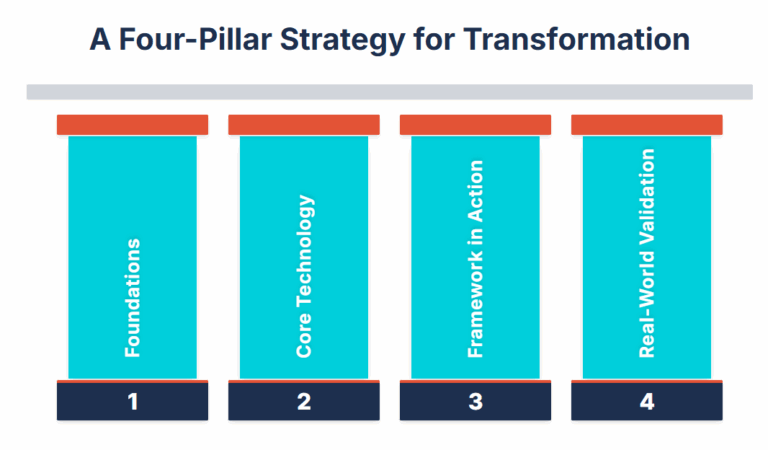
EXCALIBUR's Four-Pillar Strategy for Transformation
- Pillar 1: Building on a Foundation of Real User Needs
- Pillar 2: Developing the Core Technology
- Pillar 3: The Framework in Action
- Pillar 4: Ensuring Real-WOrld Validation & Adoption
Our Objectives
To analyze the state-of-the-art and defining the user needs and future trends relevant to burial excavations and their digital twins
To establish close and continuous collaboration with ECCCH ecosystem and other EU-funded projects, ensuring early knowledge exchange, adoption of best practices, and technical compatibility for long-term impact.
To develop and adopt artificial intelligence, machine learning, and algorithms for cost-affordable, powerful, accurate, and human-centred solutions in the digitization and reuse of burial CH.
To design a human-centered holistic framework through an interoperable web-based platform, which hosts all toolkits and methods, ensuring flexibility, scalability, and adaptability to accommodate diverse CH assets.
To create flexible, XR-driven solutions for interdisciplinary study, allowing for high-fidelity representation and interpretation of cultural artifacts.
To develop tools and methods to manage and use data for conservation and restoration purposes, building upon the digital twins of cultural heritage objects stored in the ECCCH to enable AI-assisted decision making, risk management, and documentation of results.
To create accurate digital replicas by using pioneering methods that integrate 3D scanning and CT scans, with both visible and non-visible characteristics, outlining biological land structural information.
To valuate and validate the EXCALIBUR holistic framework with domain experts and end-users to finalize the project’s digital products and deliver a sustainable, ready-to-use EXCALIBUR solution on the ECCCH platform. Increase awareness and adoption of EXCALIBUR outcomes through an open call providing funding to third-party cultural heritage institutions, while designing and implementing comprehensive training for stakeholders and end-users on the project’s innovative solutions.
Expected Impact
Empowering Professional Community
European Cultural Heritage professionals and researchers are provided with clear information and targeted training on the EXCALIBUR tools
Transforming Conservation and Restoration
The ECCCH will be widely used to support conservation and restoration works, from planning and implementation to documentation.
Revolutionizing Research and Study
The ECCCH will be widely used by European cultural heritage professionals for the study of cultural heritage objects, supporting research, innovation and didactic purposes.